This post contains affiliate links. This means I will make a commission at no extra cost to you should you click through and make a purchase. Read the full disclosure here.
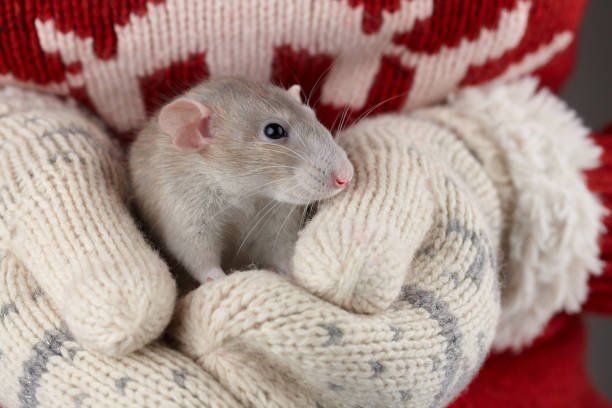
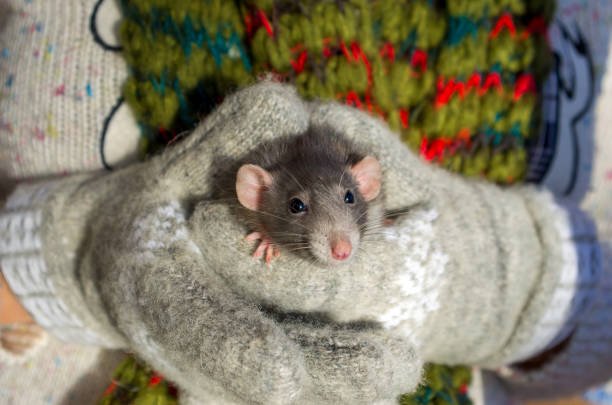
Winter brings cozy nights and chilly mornings, but it can also pose challenges for small pets like hamsters, guinea pigs, and mice. Unlike larger animals, small rodents are more susceptible to cold stress, drafts, and temperature fluctuations. As a responsible pet parent, ensuring that your furry friends stay warm, comfortable, and healthy during winter is essential.
This guide provides practical tips on winter care for small rodents, including housing adjustments, nutrition, bedding, and signs to watch for that indicate your pets may be struggling with the cold.
Small rodents are highly sensitive to extreme temperatures:
Ideal Range: Hamsters, guinea pigs, and mice thrive in temperatures between 65°F and 75°F (18°C–24°C).
Avoid Drafts: Keep cages away from windows, doors, or heating vents. Cold drafts can cause illness.
Indoor Placement: If possible, place cages in rooms that maintain a consistent temperature.
Tip: Use a thermometer near the cage to monitor the environment accurately.
2. Increase Bedding for Warmth
Bedding is not just for comfort—it’s a natural insulator:
Materials: Paper-based, aspen shavings, or hay are safe and warm. Avoid cedar and pine, which can release harmful oils.
Layering: Add extra bedding in winter to allow rodents to burrow and nest, retaining body heat.
Nesting Materials: Provide shredded paper or fleece for guinea pigs to create cozy nests.
Tip: Check bedding daily to ensure it stays dry and clean, as damp bedding can cause hypothermia.
3. Adjust Cage Layout
Small pets may need modifications in their environment for winter:
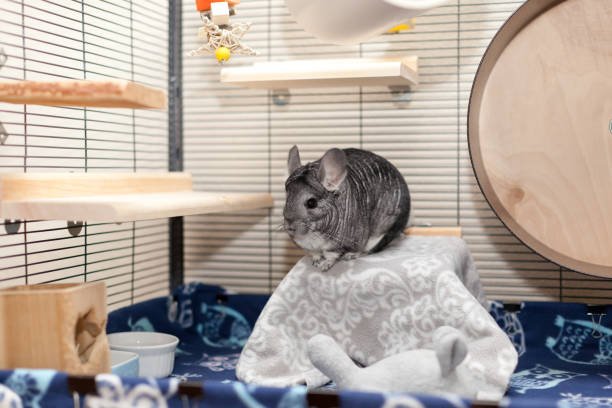
Hideouts & Houses: Ensure there are enclosed spaces where pets can retreat to stay warm.
Avoid Overcrowding Heat Sources: Do not place heating pads directly under the cage; use them with care as indirect warmth is safer.
Monitor Activity: Some rodents become less active in winter. Make sure they can move comfortably in their space.
Tip: Provide tunnels and enclosed hideouts—they mimic natural burrows and conserve heat.
4. Nutrition & Hydration
Winter increases energy requirements as small rodents expend more energy to stay warm:
Balanced Diet: Ensure they get their usual mix of pellets, fresh vegetables (like carrots or bell peppers), and occasional fruit.
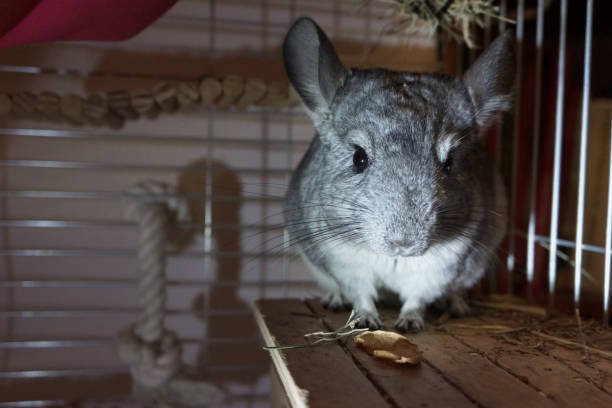
High-Fiber Foods: Hay for guinea pigs and chinchillas helps maintain digestion and generates warmth.
Fresh Water: Check water bottles daily to prevent freezing.
Vitamin C for Guinea Pigs: Essential for immune support, especially in winter months.
Tip: Rotate fresh foods frequently to maintain appeal and nutritional value.
5. Monitor for Illness
Cold temperatures increase susceptibility to respiratory infections and other health issues:
Signs to Watch: Sneezing, nasal discharge, lethargy, loss of appetite, or labored breathing.
Early Intervention: Consult a vet immediately if you notice any signs of illness.
Preventive Measures: Maintain clean cages, dry bedding, and stable temperatures.
Tip: Avoid sudden temperature changes when bringing pets from cold to warm areas, as stress can weaken immunity.
6. Exercise & Enrichment
Indoor winter confinement may reduce activity, but exercise is vital:
Exercise Wheels: Ensure they are quiet and safe for all rodents.
Playtime Outside Cage: Use supervised, enclosed areas for exploration.
Interactive Toys: Chew toys, tunnels, and hide-and-seek games keep pets active and mentally stimulated.
Tip: Short, frequent play sessions are better than long sessions in cold environments.
7. Grooming & Coat Care
Winter can dry out skin and coats:
Regular Brushing: Helps distribute natural oils and keeps fur clean.
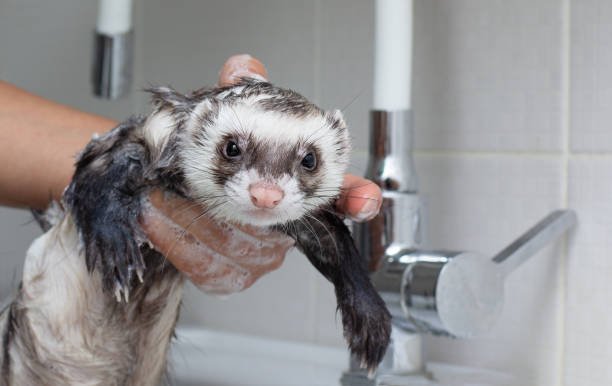
Avoid Wetting Fur: Water can cool the body and increase risk of hypothermia.
Dust Baths for Chinchillas: Maintain soft, clean fur without moisture.
Tip: Monitor for mats or clumps of fur, which can trap cold air and reduce warmth.
Final Thoughts: Keeping Small Rodents Safe and Happy in Winter
Winter doesn’t have to be stressful for your small pets. With proper temperature control, bedding, nutrition, exercise, and vigilance, hamsters, guinea pigs, and mice can thrive even during the coldest months.
Remember: small rodents are sensitive to cold and environmental changes, so daily observation and small adjustments can make a huge difference. By following these winter care tips, you can ensure that your furry companions stay healthy, active, and comfortable, making the season safe and enjoyable for everyone.
Spread the love This post contains affiliate links. This means I will make a commission at no extra cost to you should you click through and make a purchase. Read the full disclosure here. Winter can be a challenging season for small pets like rodents, ferrets, chinchillas, and guinea pigs. Cold temperatures, shorter daylight hours,…
Spread the love This post contains affiliate links. This means I will make a commission at no extra cost to you should you click through and make a purchase. Read the full disclosure here. When you live in a cozy little home and share that space with a tiny furry friend, every detail matters —…
Spread the love This post contains affiliate links. This means I will make a commission at no extra cost to you should you click through and make a purchase. Read the full disclosure here. Winter can be a challenging season for small pets like ferrets, chinchillas, and rodents. Cold, dry air and changes in activity…
Spread the love This post contains affiliate links. This means I will make a commission at no extra cost to you should you click through and make a purchase. Read the full disclosure here. As a loving mom who adores small pets and cozy living, creating a dedicated space for your furry companions is a…
Spread the love This post contains affiliate links. This means I will make a commission at no extra cost to you should you click through and make a purchase. Read the full disclosure here. If you’re a loving rodent mama, you probably already know that chewing is not just a fun pastime for your small…
Spread the love This post contains affiliate links. This means I will make a commission at no extra cost to you should you click through and make a purchase. Read the full disclosure here. Winter can be a challenging season for small pets like rodents, ferrets, chinchillas, and guinea pigs. One of the simplest ways…