This post contains affiliate links. This means I will make a commission at no extra cost to you should you click through and make a purchase. Read the full disclosure here.
Winter can be a challenging season for small pets like rodents, ferrets, chinchillas, and guinea pigs. Cold temperatures, shorter daylight hours, and indoor heating can affect their activity, health, and behavior. Establishing a consistent winter routine ensures your pets stay healthy, comfortable, and happy throughout the season.
This guide provides practical tips for creating a winter routine, including feeding, exercise, grooming, and environmental adjustments.
Species-Specific Diets: Provide pellets, hay, and safe vegetables according to each pet’s dietary needs.
Meal Timing: Feed small meals multiple times per day to maintain energy and activity levels.
Winter Adjustments: Slightly increase high-fiber or protein foods for energy in colder months.
Tip: Always provide fresh water and check bottles or bowls daily to prevent freezing or contamination.
2. Morning and Evening Check-Ins
Small pets benefit from consistent interaction:
Observe Behavior: Look for signs of illness, stress, or lethargy.
Environmental Check: Ensure bedding is dry, cages are free of drafts, and heating sources are working safely.
Health Monitoring: Check coats, nails, and teeth for any winter-related issues.
Tip: Short, daily check-ins help you catch problems early before they escalate.
3. Exercise & Playtime
Winter confinement can reduce activity, so structured play is essential:
Indoor Play Areas: Use playpens or safe rooms for supervised exploration.
Toys & Enrichment: Provide tunnels, chew toys, and puzzle feeders to encourage activity.
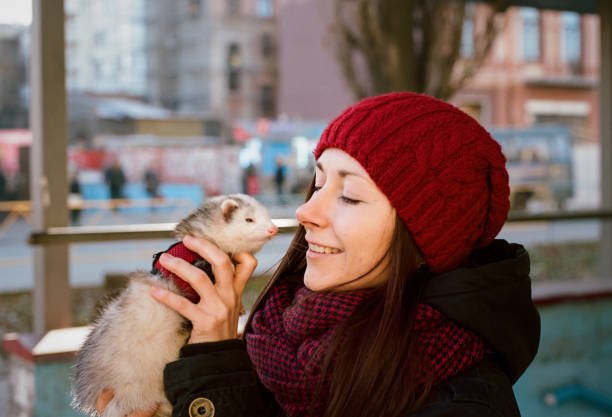
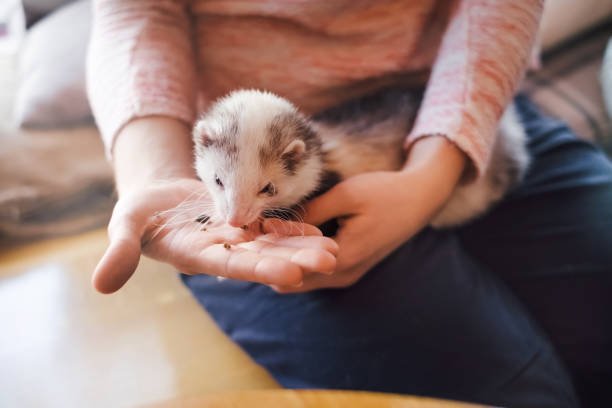
Social Interaction: Pair or group pets where safe, and spend time handling or interacting daily.
Tip: Schedule multiple short play sessions rather than one long session to keep pets active and engaged.
4. Grooming Routine
Winter grooming prevents skin and coat issues:
Brushing: Ferrets, chinchillas, and rodents benefit from gentle weekly brushing.
Dust Baths (Chinchillas): 2–3 times per week to maintain dense coats.
Nail & Paw Checks: Trim nails and inspect paws weekly to prevent injury or discomfort.
Tip: Maintain a calm, gentle routine—pets are more cooperative when grooming is consistent.
5. Bedding and Nesting Maintenance
Winter requires cozy, clean bedding:
Daily Spot Cleaning: Remove wet or soiled bedding immediately.
Layered Bedding: Use fleece, shredded paper, or hay for warmth.
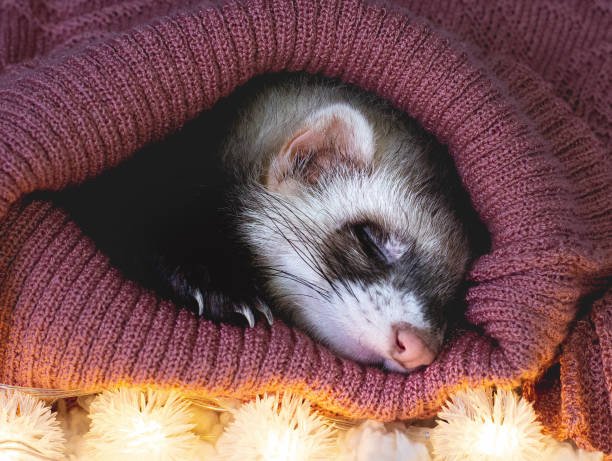
Hideaways: Provide enclosed spaces for burrowing, snuggling, and security.
Tip: Rotate and wash bedding weekly to maintain hygiene and prevent odors.
6. Temperature & Environment Control
A winter routine includes monitoring and adjusting the environment:
Stable Indoor Temperature: Keep cages away from drafts, windows, or direct heating vents.
Humidity Levels: Use a humidifier in dry homes to prevent skin dryness.
Cage Placement: Elevate cages off cold floors and provide options to move between warmer and cooler areas.
Tip: Small pets are sensitive to temperature fluctuations; consistent monitoring is key.
7. Enrichment & Mental Stimulation
Mental health is just as important as physical health:
Rotate Toys: Introduce new toys or tunnels periodically to maintain interest.
Foraging Opportunities: Scatter food or hide treats in bedding to encourage natural behaviors.
Interactive Time: Handle pets, play gentle games, and provide safe exploration zones.
Tip: Boredom can lead to stress and unhealthy habits; enrichment prevents winter blues.
8. Health Observation
Daily routines should include checking for early signs of illness:
Respiratory Issues: Sneezing, nasal discharge, or labored breathing.
Digestive Problems: Diarrhea, constipation, or sudden appetite changes.
Behavioral Changes: Lethargy, excessive hiding, or aggression.
Tip: Early detection allows for quick intervention and prevents serious health problems.
9. Seasonal Adjustments
Winter routines may differ from summer routines:
Shorter Playtime Outdoors: Focus on safe indoor exercise.
Additional Bedding: Provide extra insulation in cages.
Adjust Diet: Increase caloric intake slightly to maintain warmth and energy.
Tip: Observe your pets and adjust routines based on activity levels and behavior.
Final Thoughts: A Consistent Winter Routine
Creating a structured winter routine for small pets ensures they stay healthy, active, and comfortable. By combining consistent feeding, grooming, exercise, mental stimulation, and environmental care, you can make winter a season of wellness and happiness rather than stress.
Consistency, observation, and careful adjustments are key. With a thoughtful winter routine, your rodents, ferrets, chinchillas, and guinea pigs will thrive, keeping both you and your pets happy through the colder months.
Spread the love This post contains affiliate links. This means I will make a commission at no extra cost to you should you click through and make a purchase. Read the full disclosure here. Nestled amidst the towering peaks of the Andes, a group of rodents known as Viscachas has unlocked the secrets of survival…
Spread the love This post contains affiliate links. This means I will make a commission at no extra cost to you should you click through and make a purchase. Read the full disclosure here. Chinchillas are adorable, soft-coated rodents that require special care during winter. While they are more tolerant of cooler temperatures than some…
Spread the love This post contains affiliate links. This means I will make a commission at no extra cost to you should you click through and make a purchase. Read the full disclosure here. Winter can be a challenging season for small pets like rodents, ferrets, chinchillas, and guinea pigs. One of the simplest ways…
Spread the love This post contains affiliate links. This means I will make a commission at no extra cost to you should you click through and make a purchase. Read the full disclosure here. Ferrets are playful, curious, and energetic pets, but they are highly sensitive to cold temperatures. Unlike larger mammals, ferrets can become…
Spread the love This post contains affiliate links. This means I will make a commission at no extra cost to you should you click through and make a purchase. Read the full disclosure here. Welcome to the exciting world of degu travel! If you’re the proud owner of these charming, sociable rodents, you probably know…
Spread the love This post contains affiliate links. This means I will make a commission at no extra cost to you should you click through and make a purchase. Read the full disclosure here. As a loving mom who adores small pets and cozy living, creating a dedicated space for your furry companions is a…