This post contains affiliate links. This means I will make a commission at no extra cost to you should you click through and make a purchase. Read the full disclosure here.
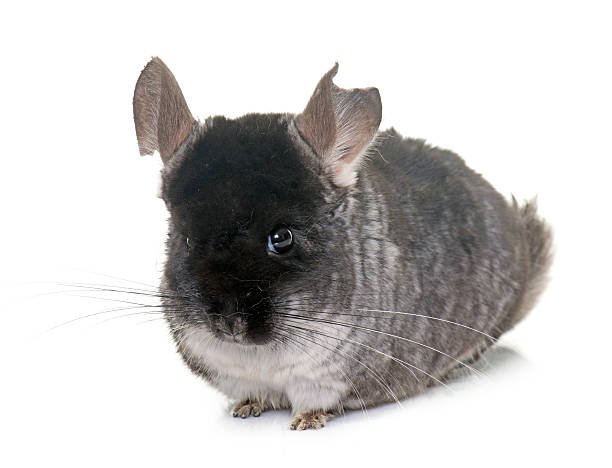
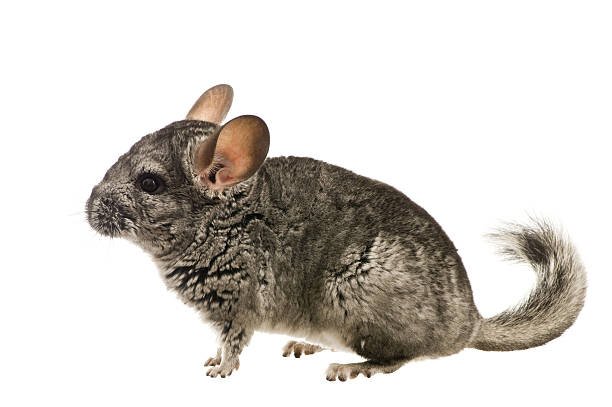
Chinchillas are adorable, soft-coated rodents that require special care during winter. While they are more tolerant of cooler temperatures than some small pets, they are highly sensitive to extreme cold and drafts. At the same time, overheating can be dangerous, so winter care requires a careful balance.
This guide provides practical tips for keeping your chinchilla warm, healthy, and safe during the winter months, including housing, bedding, diet, and general winter care strategies.
Chinchillas thrive in cooler environments but should not be exposed to extreme cold or drafts:
Ideal Temperature: Between 60°F and 70°F (15°C–21°C).
Avoid Drafts: Keep cages away from windows, doors, and heating vents.
Monitor Constantly: Use a thermometer to ensure the cage environment remains stable.
Tip: Sudden temperature changes can stress chinchillas and lead to illness.
2. Cage Insulation & Placement
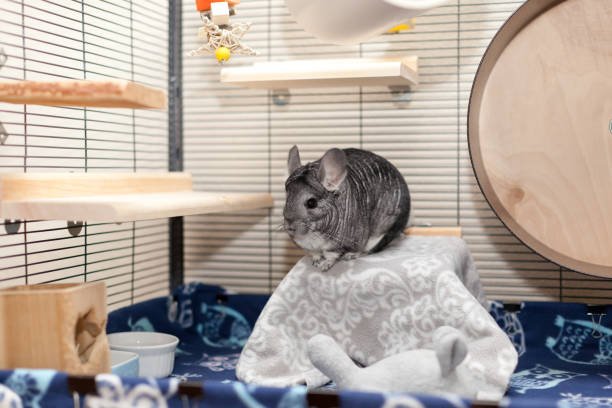
Proper cage placement and insulation are key for winter comfort:
Elevated Cages: Keep cages off cold floors to prevent heat loss.
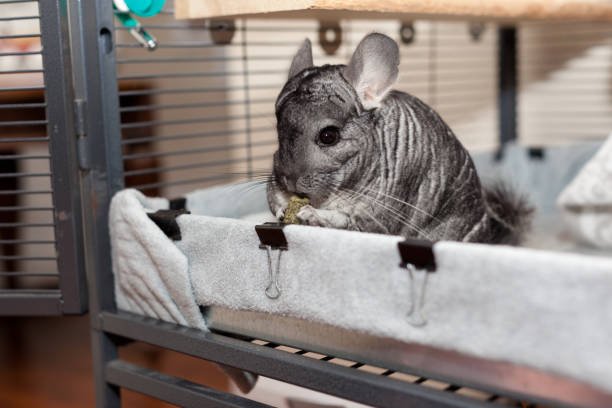
Partial Covers: Use breathable fleece or cloth to cover part of the cage, providing warmth while allowing airflow.
Avoid Direct Heat Sources: Do not place cages next to radiators or heating vents, as overheating can cause respiratory problems.
Tip: Chinchillas can overheat easily, so always provide a portion of the cage uncovered so they can regulate their body temperature.
3. Bedding for Warmth
Bedding helps chinchillas stay cozy without trapping too much heat:
Safe Materials: Paper-based bedding or aspen shavings are ideal. Avoid cedar and pine, which release harmful oils.
Layering: Add a little extra bedding for nesting, but avoid thick piles that could trap heat excessively.
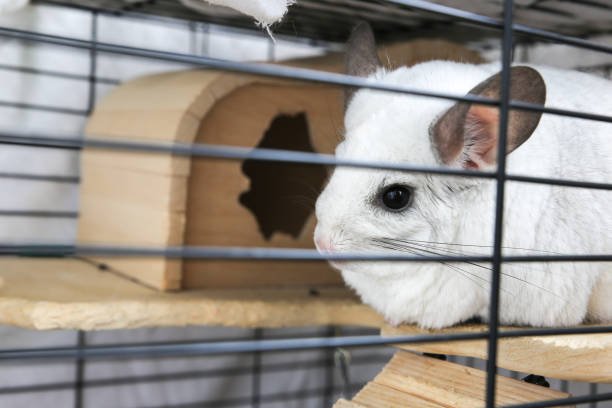
Nesting Areas: Provide enclosed hideaways where chinchillas can curl up comfortably.
Tip: Check bedding daily for dampness and cleanliness; wet bedding can cause chilling.
4. Nutrition & Hydration
Winter may slightly increase chinchillas’ energy requirements:
Balanced Diet: High-quality hay, specialized chinchilla pellets, and occasional dried herbs or safe treats.
Avoid Excess Sugars: Treats like fruits should be limited in winter, as they can cause digestive issues.
Fresh Water: Ensure water bottles are checked daily to prevent freezing in colder rooms.
Tip: Monitor eating habits closely; decreased appetite may indicate stress or cold exposure.
5. Exercise & Enrichment
Even in winter, chinchillas need physical activity to stay healthy:
Safe Playtime: Supervised cage-free time in a warm, enclosed space.
Tunnels & Platforms: Encourage climbing and movement inside the cage.
Chew Toys: Maintain dental health and provide mental stimulation.
Tip: Short, frequent play sessions are ideal in winter; avoid cold floors or drafty rooms during free play.
6. Grooming & Coat Care
Chinchillas have dense fur that requires proper care:
Dust Baths: Use chinchilla-specific dust baths to clean fur and remove excess oils.
Avoid Water Baths: Never bathe chinchillas with water; it can chill them and damage their dense fur.
Check Fur: Look for mats or areas that trap debris, especially near nesting spots.
Tip: Provide dust baths a few times a week; daily baths are not necessary and can dry out the skin.
7. Signs of Cold Stress
Chinchillas may hide signs of discomfort or illness:
Behavioral Changes: Lethargy, huddling in corners, or decreased activity.
Physical Symptoms: Shivering, weight loss, or poor coat condition.
Immediate Action: Move chinchilla to a slightly warmer room and observe closely; consult a vet if symptoms persist.
Tip: Daily observation and interaction help you catch early signs of stress or illness.
8. Winter Routine Adjustments
Maintaining a consistent routine helps chinchillas feel secure:
Feeding Schedule: Stick to regular meal times.
Cage Cleaning: Avoid drafts during cleaning; clean quickly in a warm environment.
Playtime & Interaction: Short, daily sessions maintain activity and bonding.
Tip: Keep a spare blanket or fleece nearby to provide extra warmth during cleaning or play sessions.
Final Thoughts: Safe Winter Care for Chinchillas
Winter care for chinchillas is about balance: keeping them warm enough to be comfortable while avoiding overheating. With proper cage placement, breathable insulation, safe bedding, balanced nutrition, and regular monitoring, chinchillas can thrive through the colder months.
By paying close attention to temperature, diet, exercise, and behavior, you can ensure your chinchilla remains happy, healthy, and active all winter, making the season safe and enjoyable for both you and your furry companion.
Spread the love This post contains affiliate links. This means I will make a commission at no extra cost to you should you click through and make a purchase. Read the full disclosure here. You may be cuddling your adorable chinchilla when suddenly—you spot it. A quick head tilt, a strange little move… and yep,…
Spread the love This post contains affiliate links. This means I will make a commission at no extra cost to you should you click through and make a purchase. Read the full disclosure here. Winter can be a challenging season for small pets like rodents, ferrets, chinchillas, and guinea pigs. One of the simplest ways…
Spread the love This post contains affiliate links. This means I will make a commission at no extra cost to you should you click through and make a purchase. Read the full disclosure here. When it comes to choosing a pet for your children, many factors come into play. Among the myriad of options, chinchillas…
Spread the love This post contains affiliate links. This means I will make a commission at no extra cost to you should you click through and make a purchase. Read the full disclosure here. Welcome to the world of chinchilla ownership! Adopting a chinchilla can be a rewarding and delightful experience, but it also comes…
Spread the love This post contains affiliate links. This means I will make a commission at no extra cost to you should you click through and make a purchase. Read the full disclosure here. Get started with chinchilla care 101! Our beginner’s guide covers everything you need to know about caring for these adorable pets….
Spread the love This post contains affiliate links. This means I will make a commission at no extra cost to you should you click through and make a purchase. Read the full disclosure here. Chinchillas are known for their endearing personalities and luxurious fur, making them one of the most sought-after small pets. Beyond their…