This post contains affiliate links. This means I will make a commission at no extra cost to you should you click through and make a purchase. Read the full disclosure here.
Winter can be a challenging season for small pets like rodents, ferrets, chinchillas, and guinea pigs. Providing warmth is essential, but improper use of heating devices can cause injury or stress. Heating pads and warmers can help maintain a comfortable environment, but they must be used safely.
This guide covers safety guidelines for using heating pads and warmers with small pets, including tips for temperature control, placement, and alternative warming methods.
Heating pads can provide gentle, localized warmth, especially for:
Young, elderly, or sick pets who are more sensitive to cold.
Rodents in drafty rooms to maintain energy and body heat.
Ferrets and guinea pigs that need extra warmth for comfort.
Tip: Always use heating pads as a supplementary heat source, not the primary source, and never allow pets direct, unsupervised contact initially.
2. Choosing the Right Heating Pad
Not all heating pads are safe for small pets:
Low-Voltage Pads: Safer for small animals; reduces risk of burns or electric shock.
Pet-Specific Pads: Designed for animals, with chew-resistant cords and non-toxic materials.
Adjustable Temperature: Allows you to control warmth according to your pet’s needs.
Tip: Avoid household heating pads designed for humans—they may become too hot for small pets.
3. Placement Guidelines
Proper placement is critical for safety:
Under Bedding: Place pads beneath a layer of fleece, paper bedding, or hay to prevent direct contact.
Partial Coverage: Leave part of the cage unheated so pets can move to cooler areas if they become too warm.
Avoid Hanging Pads: Never suspend heating pads in the air where pets might chew cords or slip.
Tip: Small pets are curious and may chew cords; always supervise initial use.
4. Temperature Control
Small pets can overheat quickly:
Optimal Warmth: Keep heating pads at a gentle, low temperature (around 85°F or 29°C).
Monitor Pets: Watch for signs of overheating—panting, restlessness, or unusual behavior.
Room Temperature Check: Use a thermometer to ensure the cage isn’t becoming too hot overall.
Tip: Never leave pets unattended with a heating pad for long periods until you are confident in safety.
5. Alternative Warming Methods
Besides heating pads, there are other safe ways to keep small pets warm:
Extra Bedding: Add fleece, shredded paper, or hay for insulation.
Enclosed Hideaways: Small huts, pouches, or hammocks allow pets to snuggle.
Warm Room Placement: Keep cages in a draft-free, consistently warm room instead of near cold floors or windows.
Tip: Layering natural insulation with partial pad coverage is often safer than relying solely on electrical devices.
6. Monitoring Your Pets
Regular observation ensures safety and comfort:
Check for Burns or Irritation: Inspect paws, fur, and skin around heated areas.
Behavioral Signs: Restlessness or avoidance of the pad may indicate discomfort or overheating.
Daily Routine: Verify heating devices are functioning properly and bedding remains dry.
Tip: Rotate bedding and hideouts to prevent prolonged exposure to heat in one spot.
7. Special Considerations by Species
Rodents: Sensitive to small temperature changes; avoid direct contact until familiar.
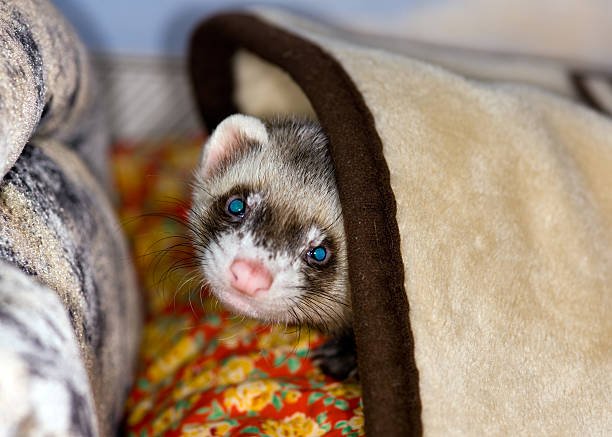
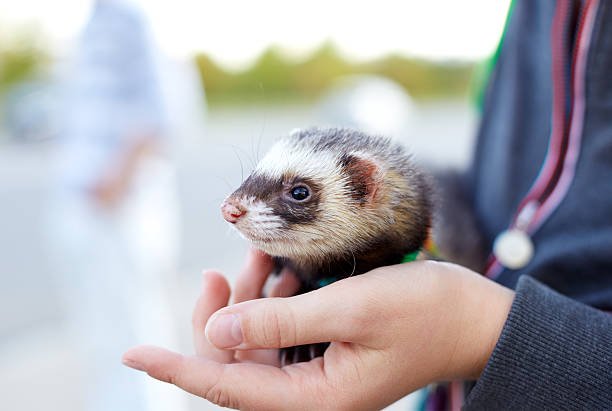
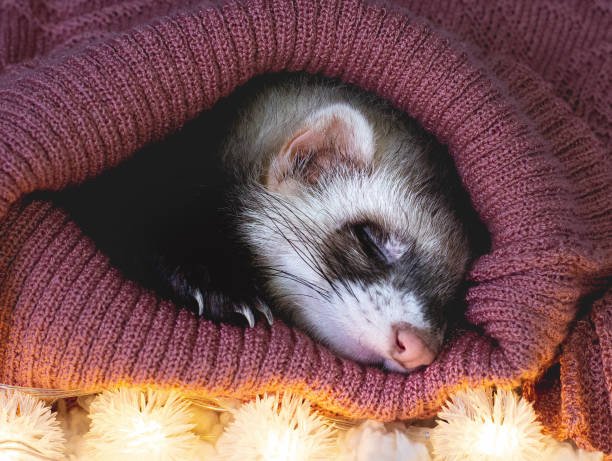
Ferrets: Can tolerate gentle warmth but may chew cords; supervise closely.
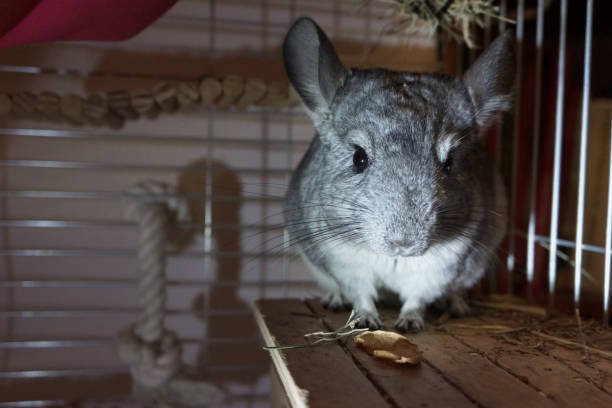
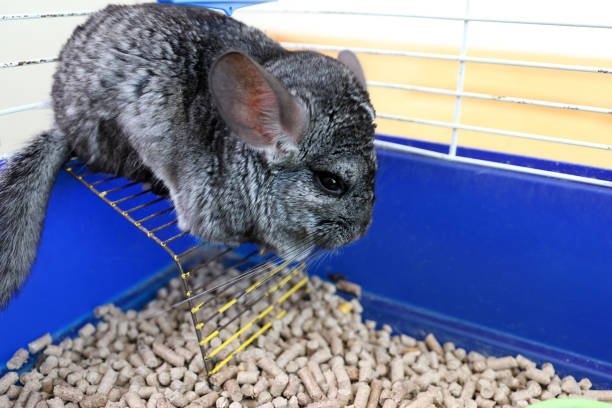
Chinchillas: Prone to overheating; never use water-based heating devices.
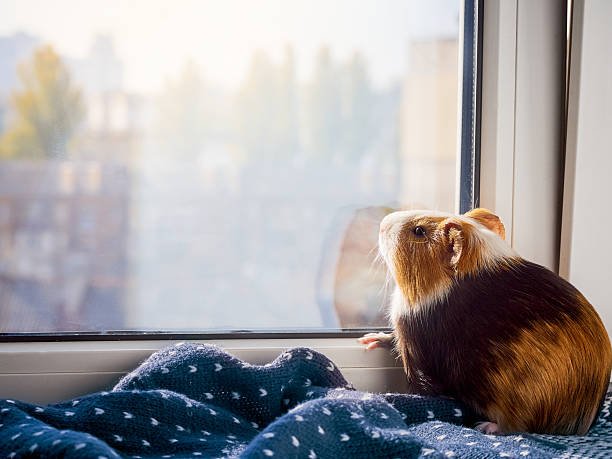
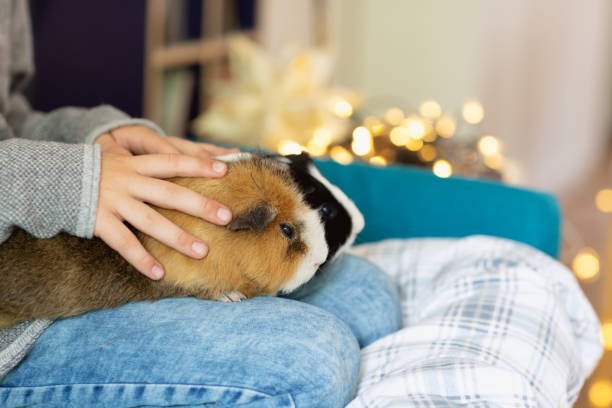
Guinea Pigs: Enjoy burrowing over pads; combine with fleece and hay for safety.
Tip: Adjust warmth levels according to species’ tolerance and individual pet behavior.
Final Thoughts: Safe Winter Warmth for Small Pets
Heating pads and warmers can be valuable tools for keeping small pets comfortable during winter, but safety must always come first. By choosing pet-safe devices, monitoring temperatures, layering bedding, and observing behavior, you can provide warmth without risk.
Winter care for small pets is about balance: enough warmth to stay comfortable, but not so much that it causes stress or injury. With careful planning, your rodents, ferrets, chinchillas, and guinea pigs can enjoy a cozy, safe, and healthy winter.
Spread the love This post contains affiliate links. This means I will make a commission at no extra cost to you should you click through and make a purchase. Read the full disclosure here. Winter can be a challenging season for small pets like rodents, ferrets, chinchillas, and guinea pigs. One of the simplest ways…
Spread the love This post contains affiliate links. This means I will make a commission at no extra cost to you should you click through and make a purchase. Read the full disclosure here. Ferrets are playful, curious, and energetic pets, but they are highly sensitive to cold temperatures. Unlike larger mammals, ferrets can become…
Spread the love This post contains affiliate links. This means I will make a commission at no extra cost to you should you click through and make a purchase. Read the full disclosure here. Winter can be a challenging season for small pets like rodents, ferrets, chinchillas, and guinea pigs. Cold temperatures, shorter daylight hours,…
Spread the love This post contains affiliate links. This means I will make a commission at no extra cost to you should you click through and make a purchase. Read the full disclosure here. Winter can be a challenging time for small pets like guinea pigs, especially when cold weather limits outdoor play. Staying active…
Spread the love This post contains affiliate links. This means I will make a commission at no extra cost to you should you click through and make a purchase. Read the full disclosure here. Winter can be a challenging time for small pets like rodents, ferrets, chinchillas, and guinea pigs. Cold temperatures, drafts, and indoor…
Spread the love This post contains affiliate links. This means I will make a commission at no extra cost to you should you click through and make a purchase. Read the full disclosure here. Winter is a season of change—not just for humans, but for small pets too. Cold temperatures can increase energy demands, reduce…