This post contains affiliate links. This means I will make a commission at no extra cost to you should you click through and make a purchase. Read the full disclosure here.
Winter can be a challenging time for small pets like guinea pigs, especially when cold weather limits outdoor play. Staying active is essential for their physical health, mental stimulation, and overall well-being. Indoor environments can be cozy, but without proper enrichment, guinea pigs may become bored, overweight, or lethargic.
This guide provides practical tips and strategies to keep your guinea pigs active indoors during winter, including playtime ideas, exercise setups, and enrichment activities.
Tip: Rotate setups periodically to keep exploration exciting and mentally stimulating.
3. Interactive Toys
Toys keep guinea pigs mentally and physically active:
Chew Toys: Wooden blocks or untreated sticks for teeth health and exercise.
Balls & Rolling Toys: Light plastic balls or treat-dispensing balls encourage movement.
Puzzle Feeders: Hide small treats in safe puzzle toys to encourage problem-solving.
Tip: Supervise play with small items to prevent choking hazards.
4. Hideouts & Burrowing Spots
Guinea pigs love to hide and burrow:
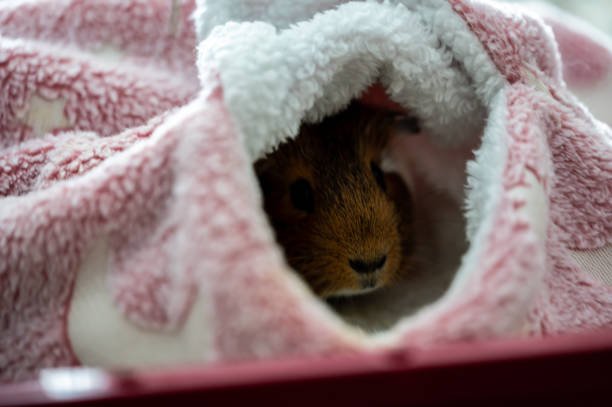
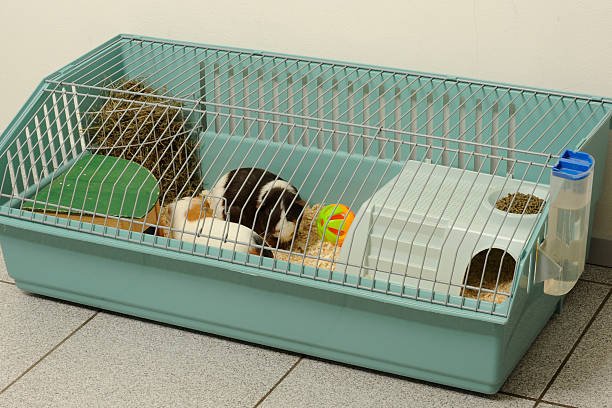
Hiding Houses: Wooden, cardboard, or fabric hideaways provide security and exercise through exploration.
Fleece Tunnels & Hammocks: Encourage climbing, crawling, and snuggling.
Layered Bedding: Burrowing in hay and fleece layers encourages natural digging behaviors.
Tip: Provide multiple hideouts to prevent competition between guinea pigs in the same cage.
5. Encourage Foraging
Foraging activities increase activity levels and stimulate minds:
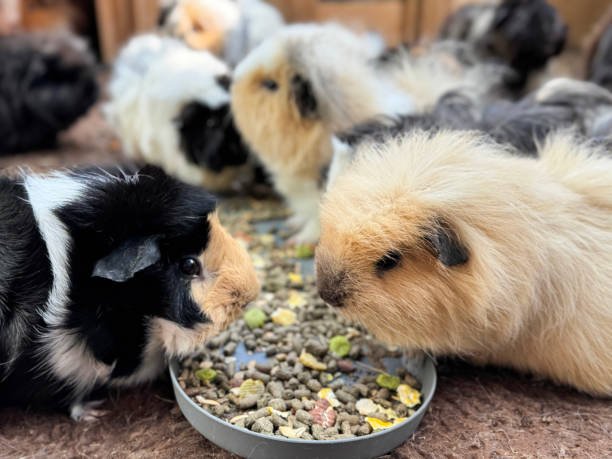
Scatter Feeding: Spread hay or pellets around the cage to encourage movement.
Treat Hunts: Hide small veggies or herbs in bedding or tunnels for discovery.
Interactive Feeding Mats: Use mats with textures to encourage searching and exploration.
Tip: Rotate hiding spots to maintain interest and prevent boredom.
6. Group Play & Social Interaction
Guinea pigs are social animals that thrive on companionship:
Pair or Group Housing: If compatible, house guinea pigs together to encourage play and interaction.
Supervised Playtime: Let them interact in a safe play area outside the cage under supervision.
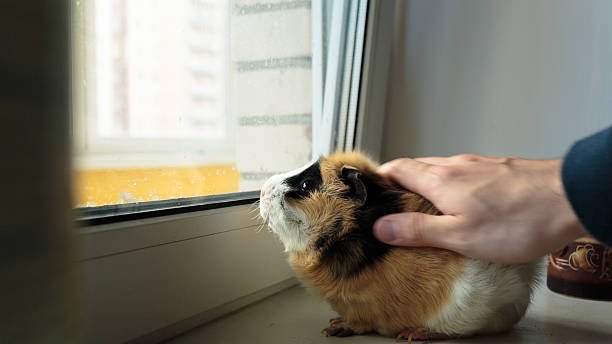
Gentle Handling: Engage with your guinea pigs daily to encourage movement and trust.
Tip: Introduce new companions gradually to prevent stress or fighting.
7. Winter Safety Considerations
Indoor activity should always be safe and controlled:
Temperature Control: Keep play areas away from drafts and heaters.
Non-Toxic Materials: Ensure all toys, tunnels, and bedding are safe for chewing.
Cleanliness: Remove droppings and food daily to prevent odors and bacteria.
Tip: Avoid slippery floors—lay down mats or towels to prevent injuries during playtime.
8. Monitor Activity Levels
Keeping track of your guinea pigs’ activity helps ensure winter health:
Observation: Watch for lethargy, hiding, or lack of interest in play, which may indicate illness or discomfort.
Adjustments: Add more enrichment or exercise time if guinea pigs seem less active.
Vet Consultation: If inactivity persists, consult a vet for underlying health issues.
Tip: Small, consistent play sessions are better than long, infrequent bouts.
Final Thoughts: Keep Guinea Pigs Happy and Healthy in Winter
Winter doesn’t have to mean inactivity for guinea pigs. By providing a spacious cage, interactive toys, tunnels, hideouts, and foraging opportunities, you can maintain their physical and mental health even during cold months.
Daily observation, safe indoor setups, and social interaction help guinea pigs stay active, happy, and stress-free throughout winter. With creativity and planning, you can make winter a season of fun, exploration, and bonding for your furry companions.
Spread the love This post contains affiliate links. This means I will make a commission at no extra cost to you should you click through and make a purchase. Read the full disclosure here. For cozy moms raising bunnies and piggies in small homes or apartments, finding the right guinea pig cage is key to…
Spread the love This post contains affiliate links. This means I will make a commission at no extra cost to you should you click through and make a purchase. Read the full disclosure here. Winter can be a challenging season for small pets like ferrets, chinchillas, and rodents. Cold, dry air and changes in activity…
Spread the love This post contains affiliate links. This means I will make a commission at no extra cost to you should you click through and make a purchase. Read the full disclosure here. Chinchillas are adorable, soft-coated rodents that require special care during winter. While they are more tolerant of cooler temperatures than some…
Spread the love This post contains affiliate links. This means I will make a commission at no extra cost to you should you click through and make a purchase. Read the full disclosure here. Winter can be a challenging season for small pets like rodents, ferrets, chinchillas, and guinea pigs. Providing warmth is essential, but…
Spread the love This post contains affiliate links. This means I will make a commission at no extra cost to you should you click through and make a purchase. Read the full disclosure here. Guinea pigs are gentle, social, and full of personality—the perfect little companions for families living in apartments or small homes. As…
Spread the love This post contains affiliate links. This means I will make a commission at no extra cost to you should you click through and make a purchase. Read the full disclosure here. As a cozy mom nurturing small pets in a warm, loving home, you know that a balanced diet is the foundation…