This post contains affiliate links. This means I will make a commission at no extra cost to you should you click through and make a purchase. Read the full disclosure here.
Ferrets are playful, curious, and energetic pets, but they are highly sensitive to cold temperatures. Unlike larger mammals, ferrets can become stressed or even develop hypothermia if their living environment is too chilly. Winter requires thoughtful adjustments to their cages and routines to ensure comfort and health.
This guide provides practical tips for winter-proofing your ferret’s cage, including insulation, bedding, diet, and safety measures.
Ferrets are most comfortable in temperatures between 60°F and 75°F (16°C–24°C):
Avoid Drafts: Keep cages away from windows, doors, and vents.
Indoor Placement: Place the cage in a warm, quiet room with minimal temperature fluctuations.
Monitor Temperature: Use a small thermometer near the cage to ensure stability.
Tip: Ferrets are sensitive to sudden changes in temperature, so avoid placing cages near heaters that can blow hot air directly on them.
2. Insulate the Cage
Proper insulation keeps the cage warm without overheating:
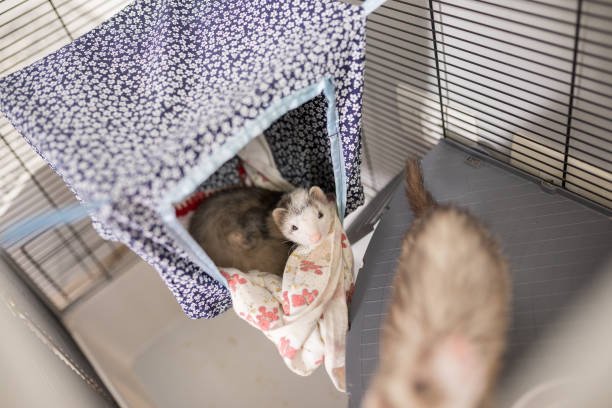
Cage Covers: Use a breathable fleece or cotton cover over part of the cage to trap warmth. Avoid plastic or materials that reduce airflow completely.
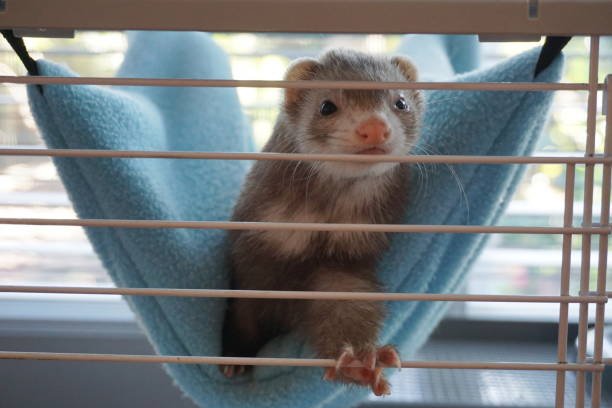
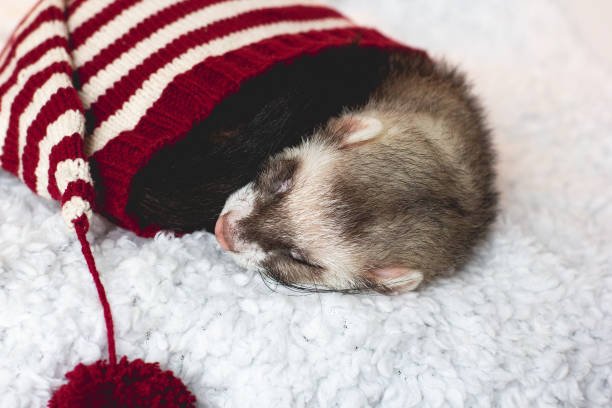
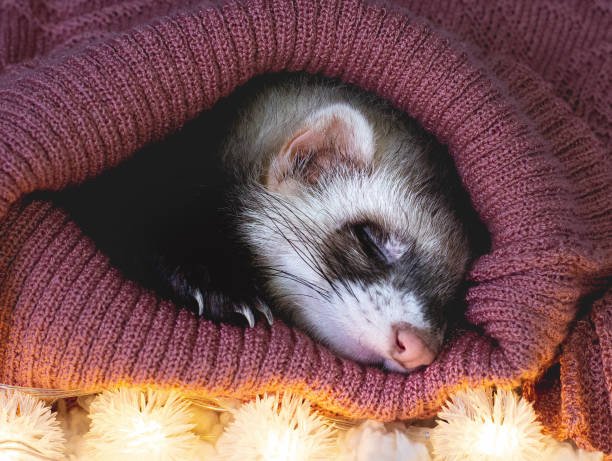
Hideouts & Hammocks: Provide enclosed spaces for ferrets to snuggle and conserve body heat.
Elevate Cage: If possible, raise the cage off cold floors to prevent heat loss.
Tip: Always ensure ferrets have access to both covered and open areas so they can regulate their own comfort.
3. Provide Warm Bedding
Bedding is a key component of warmth:
Materials: Fleece, recycled paper bedding, or soft cotton are safe options. Avoid cedar or pine, which can irritate lungs.
Layering: Add extra layers of bedding in winter so ferrets can burrow.
Hammocks: Fleece hammocks provide both warmth and comfort.
Tip: Check bedding daily to remove damp or soiled material, as moisture can lead to chills or respiratory issues.
4. Adjust Diet & Hydration
Winter may increase energy needs:
High-Protein Diet: Ferrets need a diet rich in animal protein to maintain energy and body heat.
Fresh Water: Ensure water bottles or bowls do not freeze in colder environments.
Healthy Treats: Occasional high-protein treats can help sustain energy.
Tip: Keep fresh water accessible at all times and check bottles twice daily during winter months.
5. Cage Safety During Winter
Winter adjustments should never compromise safety:
Avoid Heating Pads Directly: Never place heating pads inside the cage; instead, use them under a layer of bedding or under the cage for indirect warmth.
Secure Covers: Ensure cage covers do not trap ferrets or restrict airflow.
Monitor for Hazards: Check for exposed cords or space heaters nearby, as ferrets love to explore.
Tip: Ferrets are curious climbers—inspect all added materials for chew hazards or sharp edges.
6. Exercise & Mental Stimulation
Winter should not reduce activity:
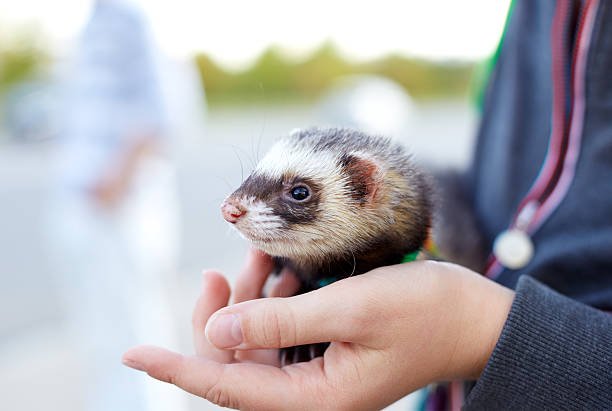
Supervised Playtime: Allow ferrets time outside the cage in a warm, safe area.
Interactive Toys: Balls, tunnels, and puzzle feeders keep them active and entertained.
Rotate Toys: Keeps winter playtime engaging and prevents boredom.
Tip: Short, frequent play sessions are better than long periods in a cold area.
7. Grooming & Coat Care
Winter can dry out ferret fur:
Regular Brushing: Helps remove loose hair and keeps coats shiny.
Bathing Sparingly: Only bathe when necessary, as frequent bathing can dry skin.
Check Paws & Ears: Dry, cracked paws or irritation can occur more easily in cold, dry environments.
Tip: Use ferret-safe moisturizers or sprays if needed, but consult a vet first.
8. Monitor for Cold-Related Health Issues
Ferrets are prone to respiratory problems if too cold:
Watch for Signs: Sneezing, lethargy, shivering, or loss of appetite.
Immediate Action: Move ferrets to a warmer environment and consult a vet if symptoms persist.
Preventive Care: Maintain stable temperatures, cozy bedding, and proper nutrition.
Tip: Ferrets may hide signs of illness; daily observation is essential.
Final Thoughts: Winter Comfort for Ferrets
Winter-proofing your ferret’s cage is about warmth, safety, and enrichment. With proper insulation, cozy bedding, temperature monitoring, and healthy routines, your ferret can stay happy, active, and comfortable all winter long.
Remember, ferrets are sensitive to both cold and heat, so a balanced environment with options to regulate temperature is essential. By preparing their cage for winter, you ensure that your playful companion continues to thrive, explore, and enjoy life—even on the coldest days.
Spread the love This post contains affiliate links. This means I will make a commission at no extra cost to you should you click through and make a purchase. Read the full disclosure here. Winter can be a challenging season for small pets like rodents, ferrets, chinchillas, and guinea pigs. Providing warmth is essential, but…
Spread the love This post contains affiliate links. This means I will make a commission at no extra cost to you should you click through and make a purchase. Read the full disclosure here. Winter can be a challenging time for small pets like rodents, ferrets, chinchillas, and guinea pigs. Cold temperatures, drafts, and indoor…
Spread the love This post contains affiliate links. This means I will make a commission at no extra cost to you should you click through and make a purchase. Read the full disclosure here. Winter can be a challenging season for small pets like rodents, ferrets, chinchillas, and guinea pigs. One of the simplest ways…
Spread the love This post contains affiliate links. This means I will make a commission at no extra cost to you should you click through and make a purchase. Read the full disclosure here. Winter can be a challenging season for small pets like rodents, ferrets, chinchillas, and guinea pigs. Cold temperatures, shorter daylight hours,…
Spread the love This post contains affiliate links. This means I will make a commission at no extra cost to you should you click through and make a purchase. Read the full disclosure here. Winter can be a challenging season for small pets like ferrets, chinchillas, and rodents. Cold, dry air and changes in activity…
Spread the love This post contains affiliate links. This means I will make a commission at no extra cost to you should you click through and make a purchase. Read the full disclosure here. Winter can be a challenging time for small pets like guinea pigs, especially when cold weather limits outdoor play. Staying active…