This post contains affiliate links. This means I will make a commission at no extra cost to you should you click through and make a purchase. Read the full disclosure here.
Winter is a season of change—not just for humans, but for small pets too. Cold temperatures can increase energy demands, reduce activity, and even affect digestion. Proper nutrition during winter is crucial for rodents, ferrets, chinchillas, and guinea pigs to maintain warmth, immunity, and overall health.
This guide provides essential tips on winter nutrition for small pets, including recommended foods, feeding strategies, and hydration tips.
Cold weather requires more energy to maintain body temperature:
Rodents (Hamsters, Mice, Guinea Pigs): May need slightly more calories to stay active and warm.
Ferrets: High-protein, high-fat diets help sustain energy levels.
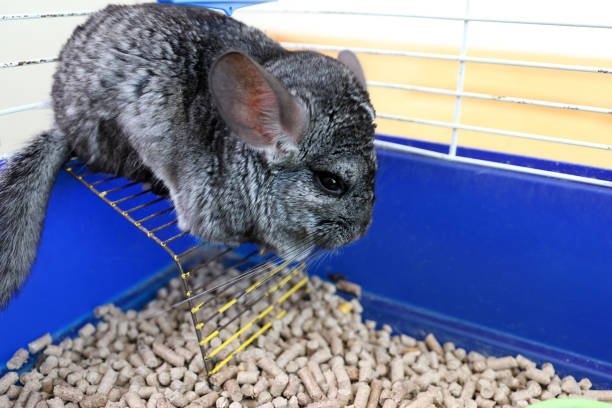
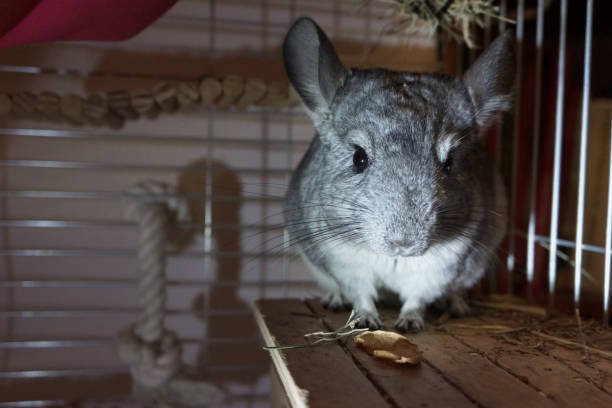
Chinchillas: Sensitive to sudden diet changes, but a slight increase in hay or pellet intake can help maintain weight.
Tip: Monitor weight and activity levels to ensure pets are not under- or overfed.
2. Provide High-Quality Pellets
Pellets are a staple for most small pets:
Rodents: Choose pellets appropriate for the species, fortified with essential vitamins and minerals.
Ferrets: Look for pellets high in animal protein (30–40%) and fat (15–20%).
Chinchillas & Guinea Pigs: Use species-specific pellets with high fiber content.
Tip: Avoid mixing too many seed mixes for rodents; they may selectively eat high-fat seeds and miss essential nutrients.
3. Fresh Vegetables & Safe Fruits
Vegetables provide fiber, hydration, and vitamins:
Guinea Pigs: Bell peppers, carrots, and leafy greens supply Vitamin C and fiber.
Rodents: Small amounts of carrots, broccoli, and cucumber are safe.
Ferrets: Typically avoid fruits and vegetables, as they are strict carnivores.
Chinchillas: Avoid sugary fruits; offer herbs like parsley or dandelion sparingly.
Tip: Wash all produce thoroughly and introduce new foods gradually to prevent digestive upset.
4. Hay & Foraging
Hay is essential for many small pets, especially during winter:
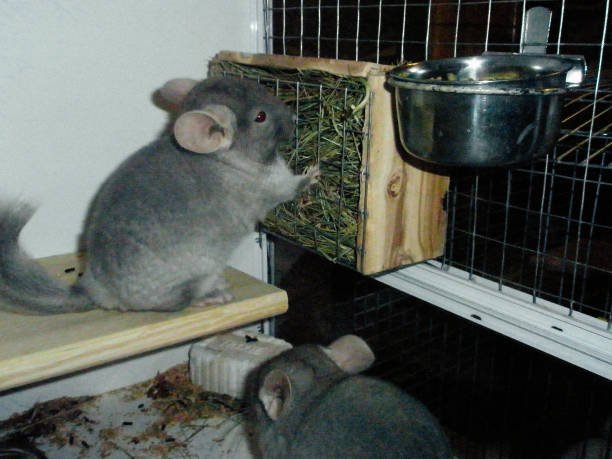
Guinea Pigs & Chinchillas: Unlimited hay supports digestion, keeps teeth healthy, and provides warmth through chewing activity.
Rodents: Some species enjoy hay for nesting and nibbling.
Tip: Rotate hay types to keep meals interesting and maintain optimal fiber intake.
5. Treats & Supplements
Winter is a good time to supplement small pets’ diets responsibly:
Vitamin C: Essential for guinea pigs to prevent scurvy, especially during low fresh vegetable availability.
Protein Treats: Ferrets benefit from occasional high-protein treats like freeze-dried meat.
Healthy Snacks: Small rodents enjoy seeds, oats, or occasional fruit treats.
Tip: Limit treats to avoid obesity, especially for less active winter pets.
6. Hydration is Key
Winter dryness can reduce pets’ water intake:
Fresh Water: Change daily to prevent bacteria growth.
Prevent Freezing: Ensure bottles or bowls are not exposed to drafts or cold windows.
Encourage Drinking: Some pets prefer water from bowls in winter if bottles feel too cold.
Tip: Check all water sources at least twice daily in colder rooms.
7. Meal Frequency & Portion Control
Winter feeding schedules help maintain energy and health:
Multiple Small Meals: Encourages activity and digestion in rodents and guinea pigs.
Ferrets: Feed 2–3 times daily depending on age and activity level.
Chinchillas: Keep hay available at all times; pellets can be measured to prevent overeating.
Tip: Observe pets’ weight weekly to adjust portions as needed.
8. Monitor Body Condition
Cold weather may mask weight loss or gain:
Check Fur & Coat: A healthy, shiny coat indicates good nutrition.
Feel for Body Fat: Slightly rounded but not obese is ideal.
Behavior Observation: Active, playful pets generally indicate adequate nutrition.
Tip: Sudden lethargy, hair loss, or poor appetite may indicate dietary or health issues.
9. Encourage Natural Foraging
Winter enrichment can include food-based activities:
Hide Pellets or Treats: Stimulates mental activity and exercise.
Use Hay for Foraging: Scatter hay to encourage natural digging and burrowing behaviors.
Puzzle Feeders: Can be adapted for guinea pigs, chinchillas, and rodents to make feeding engaging.
Tip: Mental stimulation through feeding helps prevent winter boredom and stress.
Final Thoughts: Winter Nutrition for Small Pets
Winter nutrition is about supporting warmth, energy, and immunity while maintaining healthy weight and activity. By providing balanced pellets, hay, fresh vegetables, proper hydration, and enrichment, you can ensure that your rodents, ferrets, chinchillas, and guinea pigs thrive even in cold months.
Daily observation and minor adjustments to diet and feeding routines will keep your pets healthy, happy, and energetic, making winter a season of wellness rather than concern.
Spread the love This post contains affiliate links. This means I will make a commission at no extra cost to you should you click through and make a purchase. Read the full disclosure here. Winter can be a challenging season for small pets like ferrets, chinchillas, and rodents. Cold, dry air and changes in activity…
Spread the love This post contains affiliate links. This means I will make a commission at no extra cost to you should you click through and make a purchase. Read the full disclosure here. Ferrets are playful, curious, and energetic pets, but they are highly sensitive to cold temperatures. Unlike larger mammals, ferrets can become…
Spread the love This post contains affiliate links. This means I will make a commission at no extra cost to you should you click through and make a purchase. Read the full disclosure here. Welcome to the exciting world of degu travel! If you’re the proud owner of these charming, sociable rodents, you probably know…
Spread the love This post contains affiliate links. This means I will make a commission at no extra cost to you should you click through and make a purchase. Read the full disclosure here. Introducing new pets into your household can be an exciting and rewarding experience, but it also requires careful consideration and planning,…
Spread the love This post contains affiliate links. This means I will make a commission at no extra cost to you should you click through and make a purchase. Read the full disclosure here. When we think of the world’s most intriguing creatures, our minds often conjure images of exotic animals from distant lands. Yet,…
Spread the love This post contains affiliate links. This means I will make a commission at no extra cost to you should you click through and make a purchase. Read the full disclosure here. If you’re a proud chinchilla, guinea pig, hamster, or ferret owner, you know small pets require more than just cuddles and…