This post contains affiliate links. This means I will make a commission at no extra cost to you should you click through and make a purchase. Read the full disclosure here.
Winter can be a challenging time for small pets like rodents, ferrets, chinchillas, and guinea pigs. Cold temperatures, drafts, and indoor heating can stress their bodies, making them more susceptible to illnesses. As a responsible pet owner, recognizing early signs of sickness and taking preventive measures is key to keeping your pets healthy.
This guide provides tips to prevent winter illnesses, explains common health issues, and teaches you how to recognize early warning signs in small pets.
Tip: Reduced activity can contribute to illness, so encourage regular movement even in winter.
7. Veterinary Care & Monitoring
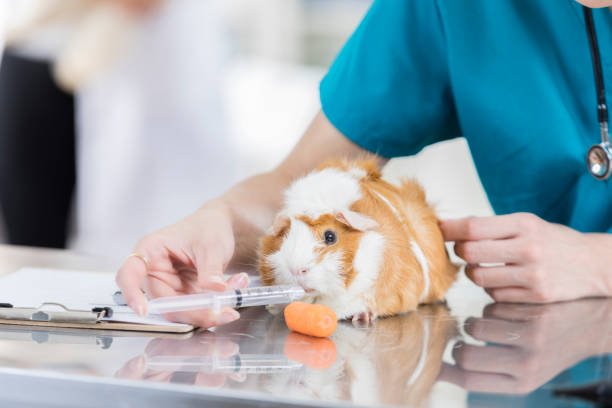
Preventive veterinary care is crucial:
Routine Check-Ups: Schedule regular visits to detect early signs of illness.
Vaccinations & Treatments: Follow vet recommendations for seasonal preventive care.
Emergency Contact: Keep a vet contact ready for sudden illnesses, especially during winter months.
Tip: Early vet intervention can prevent minor issues from becoming serious problems.
8. Special Considerations for Each Species
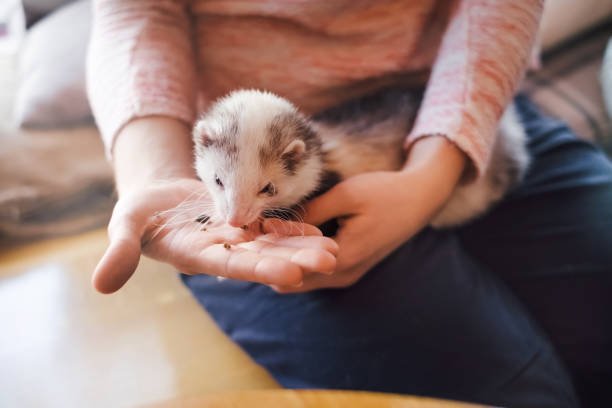
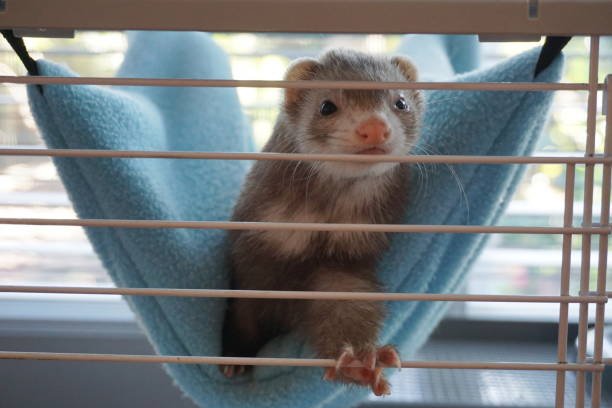
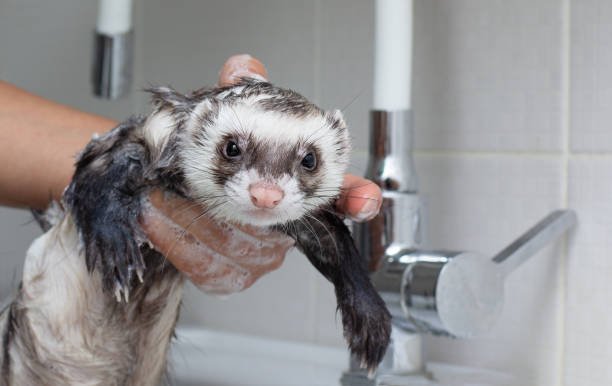
Ferrets: Highly prone to respiratory infections; maintain warm, draft-free environments.
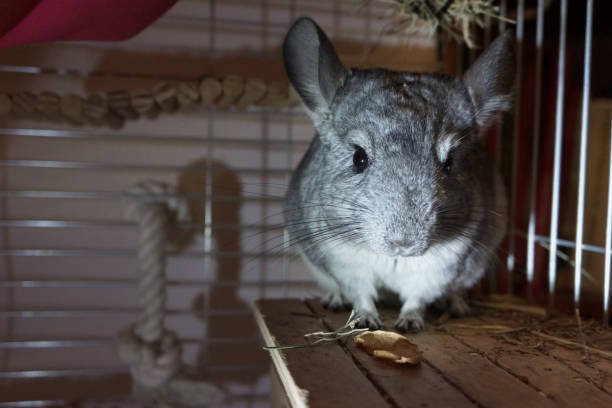
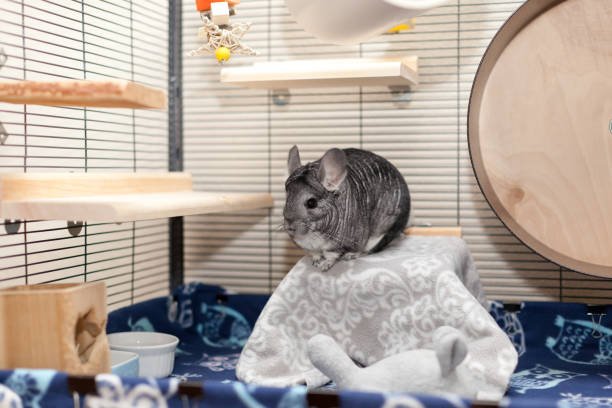
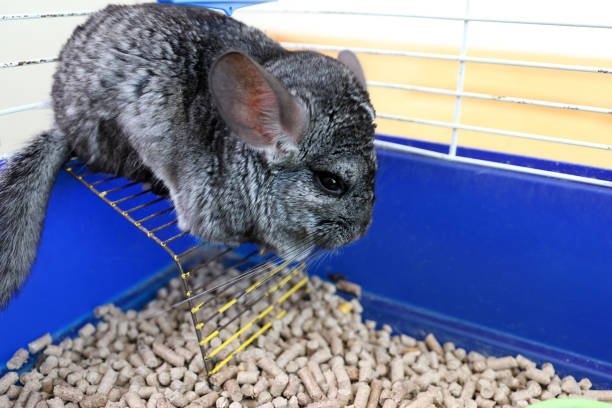
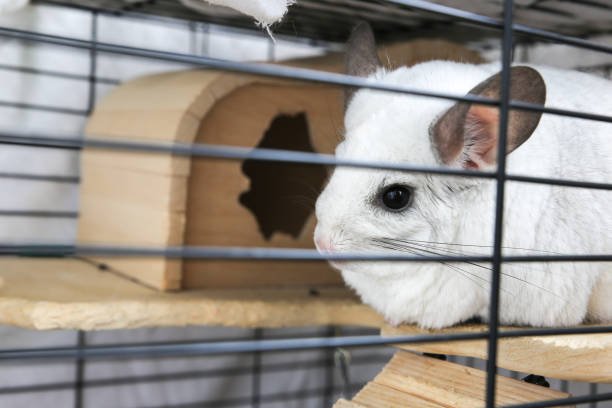
Chinchillas: Avoid overheating; balance warmth with ventilation.
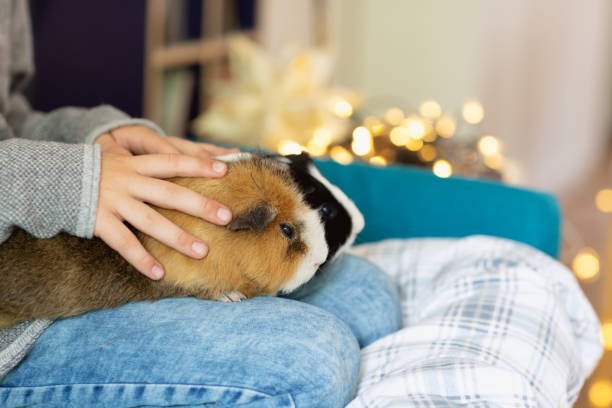
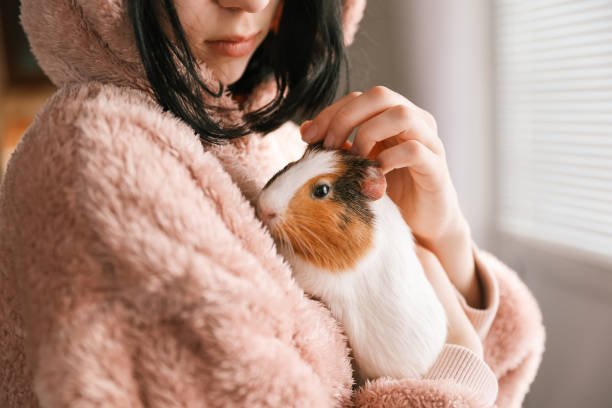
Guinea Pigs: Monitor Vitamin C intake and hydration closely.
Rodents: Small body size makes them more susceptible to temperature fluctuations.
Tip: Adjust care routines based on the species’ unique winter needs.
Final Thoughts: Preventing Winter Illness in Small Pets
Winter doesn’t have to be a stressful season for your small pets. By maintaining proper temperature, providing nutritious food, ensuring hydration, and offering enrichment, you can minimize the risk of illness.
Daily observation and quick responses to behavioral and physical changes help prevent minor health issues from escalating. With careful care and attention, your rodents, ferrets, chinchillas, and guinea pigs can thrive all winter long, staying healthy, active, and happy.
Spread the love This post contains affiliate links. This means I will make a commission at no extra cost to you should you click through and make a purchase. Read the full disclosure here. Winter can be a challenging season for small pets like rodents, ferrets, chinchillas, and guinea pigs. One of the simplest ways…
Spread the love This post contains affiliate links. This means I will make a commission at no extra cost to you should you click through and make a purchase. Read the full disclosure here. Ferrets are playful, curious, and energetic pets, but they are highly sensitive to cold temperatures. Unlike larger mammals, ferrets can become…
Spread the love This post contains affiliate links. This means I will make a commission at no extra cost to you should you click through and make a purchase. Read the full disclosure here. Winter is a season of change—not just for humans, but for small pets too. Cold temperatures can increase energy demands, reduce…
Spread the love This post contains affiliate links. This means I will make a commission at no extra cost to you should you click through and make a purchase. Read the full disclosure here. Winter can be a challenging season for small pets like ferrets, chinchillas, and rodents. Cold, dry air and changes in activity…
Spread the love This post contains affiliate links. This means I will make a commission at no extra cost to you should you click through and make a purchase. Read the full disclosure here. Winter can be a challenging season for small pets like rodents, ferrets, chinchillas, and guinea pigs. Providing warmth is essential, but…
Spread the love This post contains affiliate links. This means I will make a commission at no extra cost to you should you click through and make a purchase. Read the full disclosure here. Chinchillas are adorable, soft-coated rodents that require special care during winter. While they are more tolerant of cooler temperatures than some…