This post contains affiliate links. This means I will make a commission at no extra cost to you should you click through and make a purchase. Read the full disclosure here.
Winter can be a challenging season for small pets like ferrets, chinchillas, and rodents. Cold, dry air and changes in activity can affect their fur, skin, and overall health. Proper grooming during winter not only keeps your pets looking great, but also supports their comfort, hygiene, and wellbeing.
This guide provides essential winter grooming tips for ferrets, chinchillas, and rodents to help keep them healthy and happy during the colder months.
Many small pets develop thicker coats in winter as a natural response to colder temperatures:
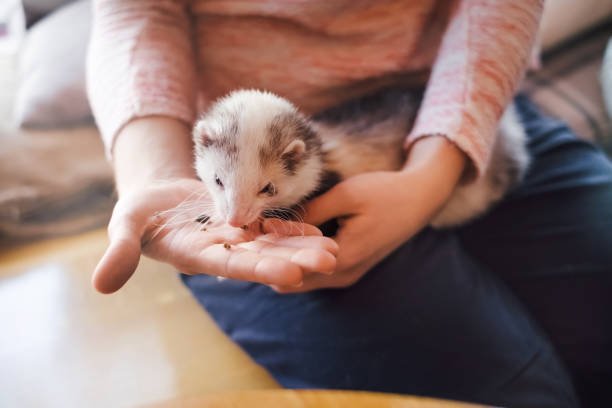
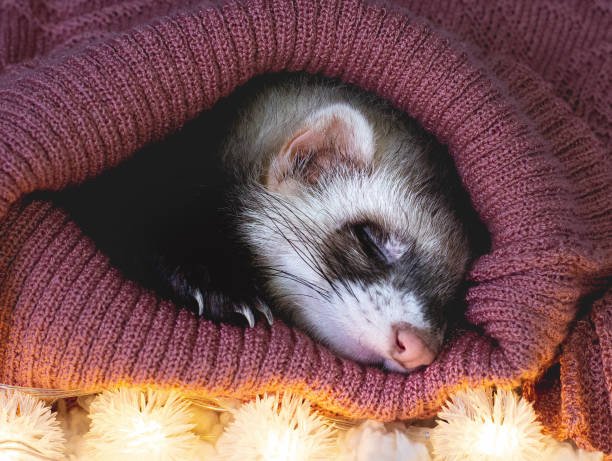
Ferrets: May shed less in winter but their undercoat can thicken.
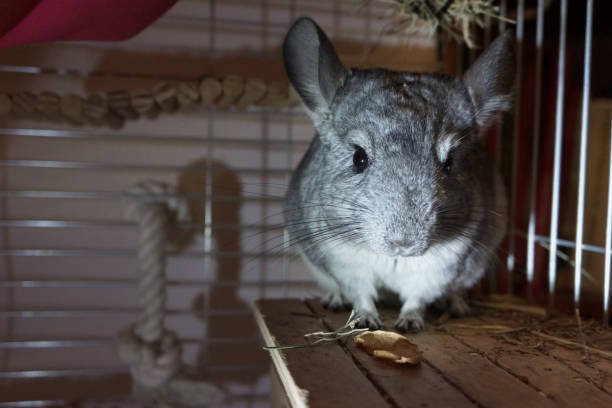
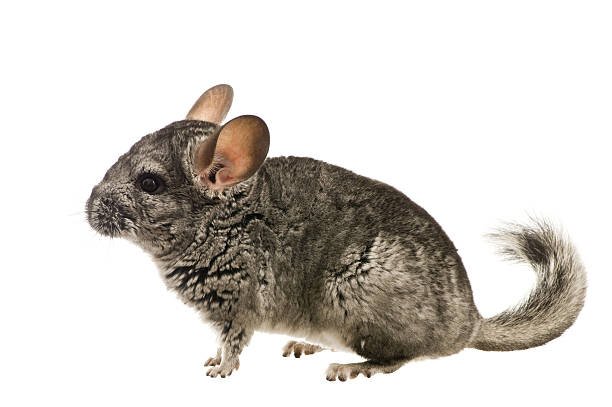
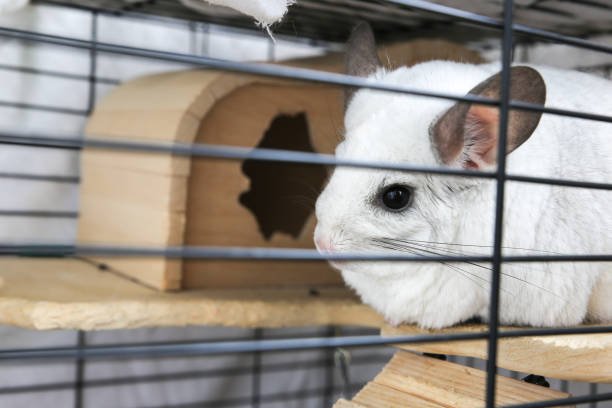
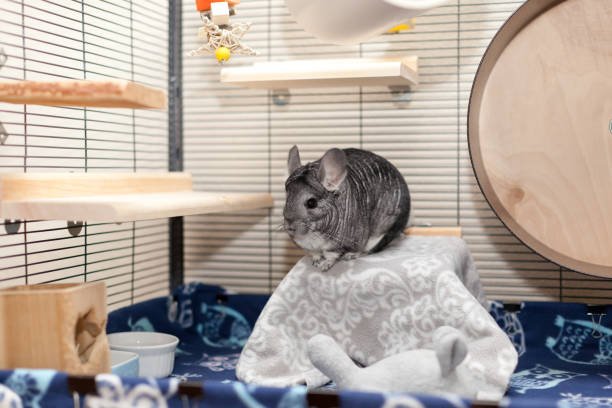
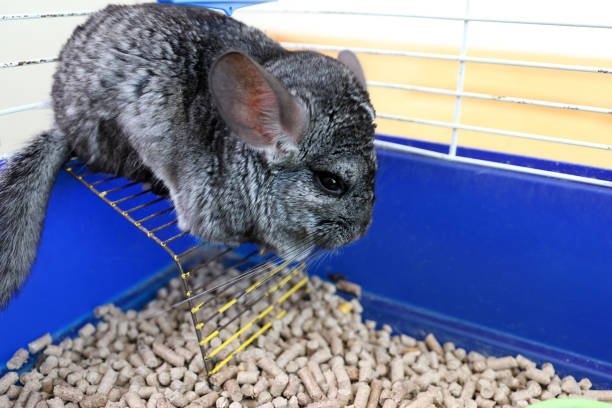
Chinchillas: Have dense, luxurious fur that needs regular maintenance to prevent mats.
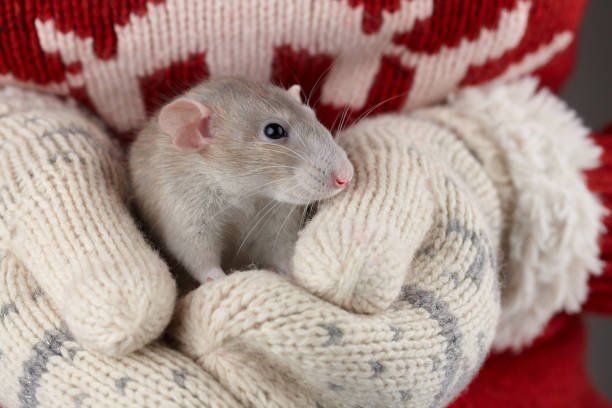
Rodents: Hamsters and mice develop a slightly thicker coat, but still require care.
Tip: Recognize seasonal shedding patterns to adjust grooming routines accordingly.
2. Brushing & Fur Maintenance
Regular brushing is essential to prevent tangles, mats, and fur ingestion:
Ferrets: Use a soft-bristle brush once or twice a week to remove loose hair.
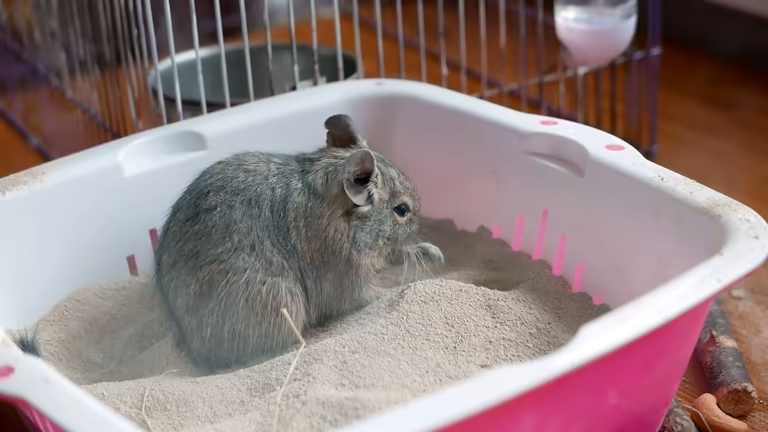
Chinchillas: Dust baths several times per week help remove oils and debris without water. Brushing gently after dust baths can remove remaining loose fur.
Tip: Brush in the direction of fur growth and avoid pulling on tangles, which can stress pets.
3. Dust Baths for Chinchillas
Chinchillas require a unique grooming routine in winter:
Frequency: 2–3 times per week or more if the fur appears oily.
Material: Use chinchilla-specific dust, not sand or other substances.
Method: Place the chinchilla in a dust bath for 5–10 minutes, letting them roll freely.
Tip: Avoid water baths, as wet fur can chill them and damage their dense coat.
4. Winter Skin Care
Cold, dry indoor air can cause skin irritation and dryness:
Observation: Look for flaky skin, itching, or bald patches.
Moisturizing: Some ferret-safe sprays or gentle grooming products can help, but always consult a vet first.
Bedding Choice: Soft, clean fleece or paper bedding reduces friction and irritation.
Tip: Maintain humidity in pet rooms with a humidifier to reduce dryness without overheating the space.
5. Nail & Paw Care
Winter may reduce natural wear on nails, making trimming necessary:
Check Nails Weekly: Long nails can cause discomfort and impact movement.
Trimming: Use species-appropriate nail clippers; avoid cutting too close to the quick.
Paw Inspection: Look for cracks, dryness, or irritation, especially in colder environments.
Tip: Keep a small towel handy to gently hold pets during nail trimming.
6. Ear & Dental Care
Winter grooming isn’t just about fur:
Ears: Check for wax buildup, dryness, or signs of infection.
Teeth: Ferrets, rodents, and chinchillas require chew toys to maintain dental health. Hay, wooden blocks, and safe chew items help prevent overgrowth.
Tip: Early attention to ears and teeth prevents larger health issues during winter.
7. Avoid Water Baths in Winter
Bathing small pets in winter is generally discouraged:
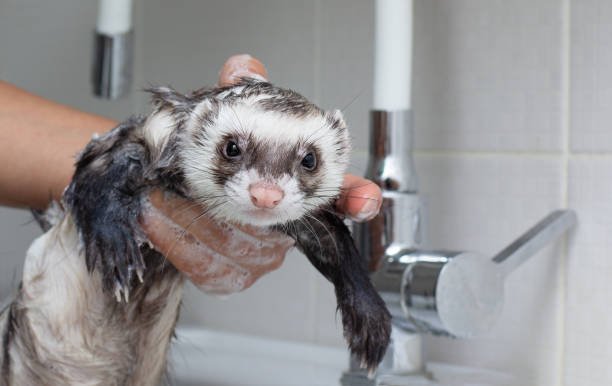
Ferrets: Only bathe occasionally; dry immediately and maintain warm room temperatures.
Chinchillas: Never water-bathe—dust baths are sufficient.
Rodents: Rarely require baths unless soiled; wipe gently with a damp cloth if necessary.
Tip: Wet fur can chill pets rapidly in winter, increasing risk of illness.
8. Observe Behavior During Grooming
Pets may behave differently in winter:
Reduced Activity: Cold pets may move less, making grooming easier, but watch for signs of discomfort.
Stress Signals: Growling, hissing, or trying to escape indicate stress. Take breaks and keep sessions short.
Rewarding Grooming: Treats and gentle praise make grooming a positive experience.
Tip: Establish a consistent winter grooming routine to reduce stress and maintain coat health.
Final Thoughts: Keeping Winter Coats Healthy
Proper grooming during winter is essential for small pets’ comfort, health, and happiness. By brushing, dust bathing, inspecting skin, nails, and ears, and avoiding water baths, you can ensure that ferrets, chinchillas, and rodents remain cozy, clean, and healthy throughout the cold months.
With daily observation and a gentle grooming routine, winter becomes a season where your pets’ fur stays soft, skin stays healthy, and overall wellbeing is maintained—making both you and your furry companions happy.
Spread the love This post contains affiliate links. This means I will make a commission at no extra cost to you should you click through and make a purchase. Read the full disclosure here. Chinchillas are adorable, soft-coated rodents that require special care during winter. While they are more tolerant of cooler temperatures than some…
Spread the love This post contains affiliate links. This means I will make a commission at no extra cost to you should you click through and make a purchase. Read the full disclosure here. Winter can be a challenging time for small pets like guinea pigs, especially when cold weather limits outdoor play. Staying active…
Spread the love This post contains affiliate links. This means I will make a commission at no extra cost to you should you click through and make a purchase. Read the full disclosure here. Winter brings cozy nights and chilly mornings, but it can also pose challenges for small pets like hamsters, guinea pigs, and…
Spread the love This post contains affiliate links. This means I will make a commission at no extra cost to you should you click through and make a purchase. Read the full disclosure here. Winter can be a challenging season for small pets like rodents, ferrets, chinchillas, and guinea pigs. One of the simplest ways…
Spread the love This post contains affiliate links. This means I will make a commission at no extra cost to you should you click through and make a purchase. Read the full disclosure here. Winter is a season of change—not just for humans, but for small pets too. Cold temperatures can increase energy demands, reduce…
Spread the love This post contains affiliate links. This means I will make a commission at no extra cost to you should you click through and make a purchase. Read the full disclosure here. Winter can be a challenging season for small pets like rodents, ferrets, chinchillas, and guinea pigs. Cold temperatures, shorter daylight hours,…